
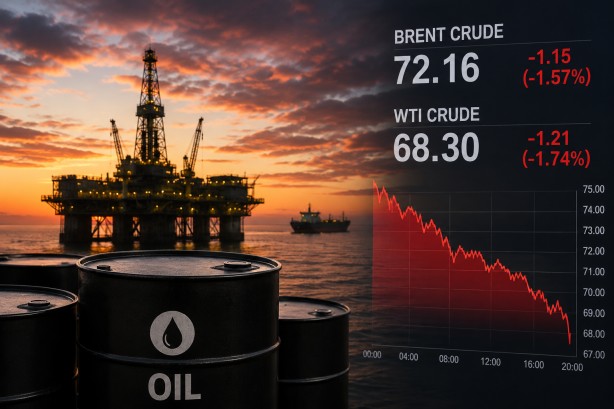
On Thursday, oil prices saw a slight decline as investors opted to secure profits amid heightened tensions between the United States and Iran. Brent crude experienced a drop of 0.52%, landing at $84.51 per barrel, while US West Texas Intermediate crude decreased by 0.29%, settling at $79.37 per barrel. Despite these reductions, both benchmarks remained near their peak levels for the month following an extension of recent gains.
Investor sentiment has been largely influenced by fears of potential supply disruptions stemming from the latest US military strikes on Iranian targets, coupled with Iran’s retaliatory threats to curtail energy exports in the region. The situation has drawn significant attention to the Strait of Hormuz, an essential passageway for the global trade of oil and liquefied natural gas. Reports indicate that shipping through this strategic chokepoint has diminished following the recent escalations.
Analysts have pointed out that ongoing geopolitical tensions are sustaining elevated oil prices. Nonetheless, market participants are keenly observing whether the conflict might lead to substantial interruptions in energy supply. The security of another crucial energy transit route, the Bab el-Mandeb Strait, has also come into question as concerns rise about the potential involvement of regional allies in the conflict.
Some experts caution that oil prices might continue to rise if the tensions persist and export disruptions remain. Conversely, should the crisis de-escalate, there is an anticipation that oil prices could decrease later in the year. As the situation unfolds, the market remains vigilant, weighing the implications of these geopolitical dynamics on global energy supplies and pricing.