
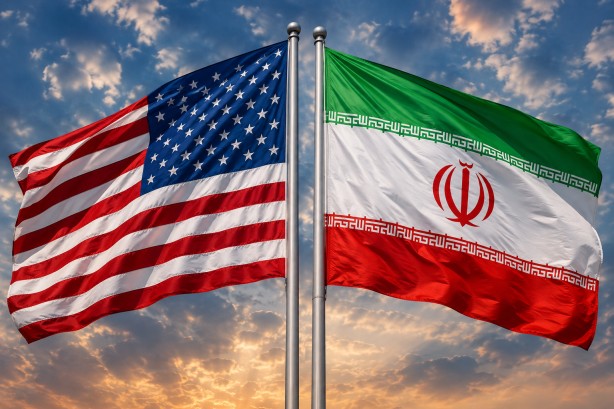
The fragile ceasefire between the United States and Iran has been severely tested following their most intense military exchanges since the truce was brokered last month. In a significant escalation, the US conducted airstrikes on approximately 80 targets associated with Iran’s military, citing the need to secure the Strait of Hormuz, a critical maritime passage. This military action was a response to Iran’s earlier assault on three commercial ships navigating through the strategic waterway.
In retaliation, Iran launched missiles and drones at American military installations in Bahrain and Kuwait, declaring a new military policy that positions the US and its regional partners as equal adversaries in any forthcoming confrontations. US President Donald Trump, while issuing a stern warning of further military measures if Iran persists, expressed confidence that the conflict would not escalate into a prolonged war.
The ceasefire, initially established to facilitate dialogue concerning Iran’s nuclear activities, sanctions relief, and security in the Strait of Hormuz, now hangs in the balance. The United States argues that Iran’s recent actions against commercial vessels contravene international maritime security norms and justify its military response. Conversely, Iran insists on its right to oversee shipping operations through the Strait of Hormuz.
This renewed bout of hostilities has sparked fears of disruptions in one of the globe’s vital energy shipping lanes, subsequently driving up global oil prices. As tensions simmer, the ceasefire agreement, aimed at paving the way for broader negotiations, remains under significant pressure.