
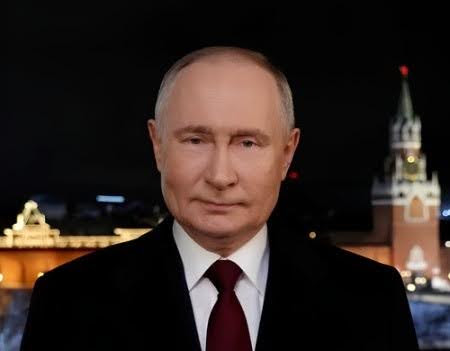
Russian President Vladimir Putin has dismissed a proposal from Ukrainian President Volodymyr Zelenskyy for a direct meeting aimed at advancing peace negotiations. During a speech at the St. Petersburg International Economic Forum, Putin expressed skepticism about the benefits of such talks at this juncture. Zelenskyy had recently reached out with a letter suggesting a meeting in a neutral country, like Switzerland or Turkey, to initiate diplomatic discussions starting from the current battle lines, with a call for a comprehensive ceasefire to be observed during the negotiations.
Putin reiterated that Russia’s objectives in the ongoing conflict with Ukraine remain steadfast. He noted that Russian forces have established control over the entire Luhansk region and a significant portion of the Donetsk region. Furthermore, he emphasized Moscow’s insistence that Ukraine should also surrender control over the Kherson and Zaporizhzhia regions. This stance reflects Russia’s broader territorial ambitions in the region, which have been central to its military strategy.
In response to Putin’s rejection of the meeting proposal, Zelenskyy accused the Kremlin of opting for continued hostilities over pursuing a diplomatic resolution. He argued that Russia’s decision to decline the invitation to talks underscores a lack of genuine interest in resolving the conflict peacefully. This exchange highlights the ongoing tensions and the challenge of finding common ground for negotiations amid the protracted war.
Amid these diplomatic tensions, Ukraine has ramped up its military efforts, launching attacks on Russian military and energy infrastructure. This includes drone strikes targeting ports, cargo vessels, and fuel facilities. Russia has acknowledged these recent attacks but stated its intention to bolster its air defense systems in response. The escalation in military actions on both sides further complicates prospects for a peaceful resolution.
Putin also took the opportunity to address criticisms of Russia’s economic performance in light of the war and the international sanctions imposed by Western nations. He argued that the Russian economy remains robust despite the economic pressures and financial restrictions it faces. This assertion is part of a broader effort by the Kremlin to project resilience and stability in the face of international isolation and economic challenges.