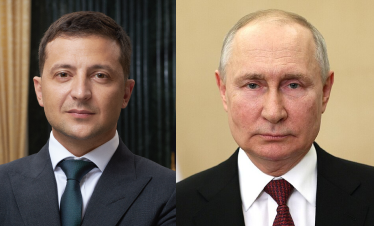
A new diplomatic crisis has emerged following Russian allegations that Ukraine attempted to strike President Putin’s residence with a massive drone swarm. The accusations, which Ukrainian leadership forcefully denies, have prompted Russian threats of military retaliation and raised serious questions about the viability of ongoing peace negotiations.
Foreign Minister Sergei Lavrov provided detailed accounts of what Moscow describes as a Ukrainian operation involving 91 long-range drones launched over December 28-29. He characterized the alleged attack as reckless state terrorism, emphasizing that Russia would not allow such actions to go unanswered. Lavrov confirmed that Russian military planners had prepared response options and identified specific targets for potential strikes.
President Zelensky rejected the entire Russian narrative as manufactured lies designed to create justification for attacks on Ukrainian government buildings in Kyiv. He argued that Moscow was following a familiar pattern of using false accusations to provide cover for planned aggression while simultaneously undermining diplomatic momentum with international partners. Zelensky stressed that Ukraine’s approach consistently supports peace processes rather than jeopardizing them.
Russian authorities reported that their air defense networks successfully eliminated all incoming threats, preventing any damage to the presidential property. However, Lavrov maintained that the attack attempt itself—regardless of its failure—constituted grounds for significant retaliation. He indicated that the incident would influence Moscow’s calculations in ongoing peace discussions, though Russia would continue participating in negotiations.
The timing of these allegations has intensified concerns about diplomatic initiatives occurring during what many observers considered a critical period. Zelensky specifically mentioned work with President Trump’s team as potentially threatened by Russian manipulation of events. He called on world leaders to actively counter Russian disinformation rather than remaining passive, arguing that Moscow’s tactics require consistent public exposure to prevent them from succeeding in disrupting peace efforts and shifting responsibility for continued conflict onto Ukraine.