
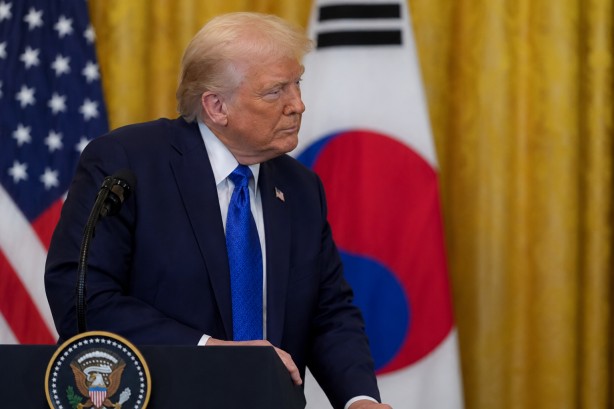
In a recent address at the Pennsylvania Defense and Innovation Summit, US President Donald Trump suggested a potential shift in the strategy for modernizing the US Navy by potentially involving South Korean shipbuilders in the process. Trump emphasized the urgency of updating the aging naval fleet and mentioned the possibility of purchasing ships constructed outside the United States. This consideration of international collaboration marks a significant step towards enhancing the naval capabilities of the country.
The discussion about involving South Korean shipbuilders comes at a time of increasing defense collaboration between the United States and South Korea. During recent international meetings, South Korean President Lee Jae Myung disclosed that President Trump had inquired about South Korea’s ability to rapidly construct 10 naval vessels for the US, illustrating the depth of discussions regarding this potential cooperation.
Among the developments in this partnership, Trump announced plans to construct two National Security Multi-Mission Vessels at the Hanwha Philly Shipyard in Philadelphia, a project valued at around $1.5 billion. This initiative is part of Washington’s broader strategy to engage more closely with companies from South Korea and potentially other nations in bolstering the US naval fleet.
The US Department of Defense and the Navy have already reached out to major South Korean shipbuilders, including HD Hyundai Heavy Industries and Hanwha Ocean, to evaluate their expertise in designing and constructing combat vessels. Hanwha, in particular, stands to gain significantly from this collaboration, having acquired shipyard facilities in Philadelphia in 2024 and seeking licenses to build military ships domestically. Meanwhile, HD Hyundai and Samsung Heavy Industries are also strengthening their ties with American firms to penetrate the US naval shipbuilding sector.
Despite the promising nature of these discussions, there are substantial legal hurdles to overcome. Current regulations in the United States restrict the construction of Navy vessels outside the country, which means that any move to build ships overseas would require legislative changes or special exemptions. Nevertheless, these developments signal a potentially transformative approach to how the US Navy could expand its fleet and enhance its operational capabilities through international partnerships.