
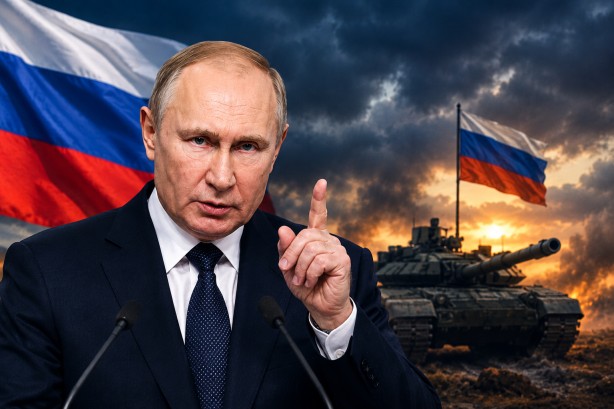
Tensions between Russia and the United Kingdom have escalated as Moscow issues warnings of potential retaliation due to the UK’s sustained military backing of Ukraine. The Kremlin’s threats, which include possible strikes on military assets both inside and outside Ukraine, follow reports that Britain is planning to provide Ukraine with access to classified technology. This technology would aid Ukraine in the domestic production of long-range Storm Shadow cruise missiles. Russia has cautioned both Britain and France, accusing them of “playing with fire” by supporting Kyiv.
This development coincides with reports surrounding a recent visit to Moscow by CIA Director John Ratcliffe. During his trip, Ratcliffe allegedly warned Russian officials against any attacks on NATO territory. Concerns have been raised by US intelligence about the possibility of Russia testing NATO’s resolve through limited military actions, cyberattacks, or other hybrid warfare tactics. The Kremlin, however, has dismissed claims that Russia plans to attack a NATO member, labeling such reports as inaccurate.
Amid these rising tensions, Europe has witnessed an increase in alleged cyberattacks, drone incidents, and other forms of hybrid activities attributed to Russia. These occurrences have heightened apprehension over Moscow’s intentions, prompting NATO members bordering Russia to boost their military preparedness. The situation underscores the deteriorating relations between Russia and Western nations as the conflict in Ukraine persists.
The strained atmosphere reflects a broader context of geopolitical friction, as Western countries, particularly those within NATO, remain wary of Russia’s next moves. The ongoing conflict in Ukraine acts as a backdrop to these developments, with international alliances being tested and diplomatic channels strained. As the situation unfolds, the global community watches closely, mindful of the potential consequences of further escalation.