
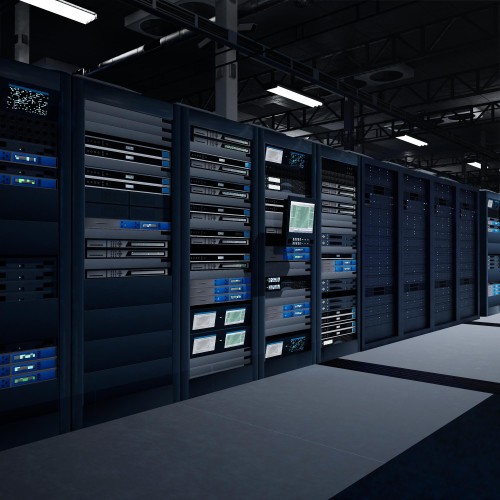
In a significant development, China has reclaimed the number one spot in the global supercomputer rankings with its latest LineShine system. This achievement marks China’s resurgence in the field of high-performance computing, having not held the top position for several years. Situated at the National Supercomputing Centre in Shenzhen, the LineShine supercomputer employs domestically produced chips, surpassing the previously leading system from the United States. Despite this milestone, experts caution that it does not necessarily indicate that China has outpaced the US in artificial intelligence capabilities.
While the LineShine’s prominence in the rankings underscores China’s advancements in domestic computing technology, analysts point out that traditional supercomputer rankings primarily assess machines intended for scientific computing tasks. This evaluation does not fully represent the performance required for modern AI workloads. Many of today’s most potent AI systems are developed by large technology corporations and are not accounted for in these rankings. Advanced AI computing relies significantly on specialized chips and extensive data center infrastructure, which are crucial for handling AI tasks.
The re-emergence of China at the top of the supercomputer list is viewed as a testament to its strategic focus on enhancing self-sufficiency in chip design and computing technology. Nonetheless, China continues to face hurdles, notably restrictions on accessing advanced AI chips, which pose ongoing challenges to the country’s AI development ambitions. Despite these obstacles, China’s progress signals a strong commitment to overcoming technological dependencies and achieving greater autonomy in computing advancements.
As the race in advanced computing intensifies, both China and the United States are heavily investing in artificial intelligence, quantum technology, and cutting-edge computing systems. The competition is not just about national pride but also about securing a strategic advantage in technologies that are expected to drive future innovation across multiple sectors. The dynamic between the two countries in this arena continues to evolve, with each pursuing breakthroughs that could redefine their standing in the global tech landscape.