
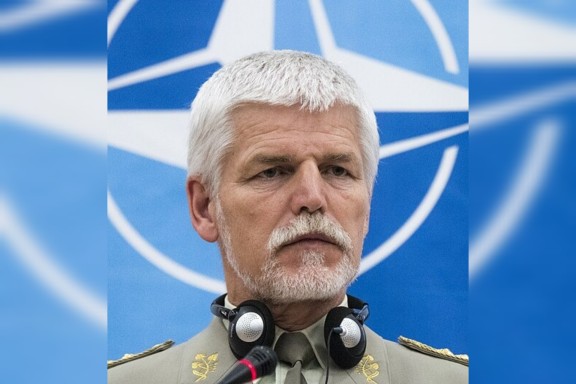
Czech President Petr Pavel has called on NATO to adopt a tougher approach in response to Russia’s ongoing provocations near the alliance’s eastern frontiers. He cautioned that inadequate reactions might embolden Moscow to escalate tensions further. Pavel, who previously served as NATO’s military committee chair and is a retired general, pointed out that Russia has been strategically testing NATO’s boundaries. These provocations have taken the form of airspace breaches, drone events, and military maneuvers, all deliberately staying just below the threshold that would activate Article 5, NATO’s collective defense provision.
In his view, NATO should consider more assertive responses, including the potential downing of aircraft that infringe upon allied airspace. Pavel also proposed considering asymmetric tactics, such as interrupting Russian internet systems, targeting their satellite infrastructure, or intensifying restrictions on Russian financial institutions within the international system. He emphasized that Russia is more responsive to “the language of power” rather than diplomatic overtures, and warned that a lack of a strong reaction could lead Russia to increase its activities across Eastern Europe and the Baltic states.
Furthermore, the Czech president advocated for intensified sanctions to pressure Russia and suggested that any easing of these sanctions should be contingent upon a ceasefire and the initiation of peace talks in Ukraine. Pavel expressed criticism towards European nations for depending too much on the United States for leadership, urging them to formulate their own long-term strategies for dealing with Russia and ensuring European security. He stressed the importance of Europe playing a more proactive role in determining future security frameworks.
These statements come at a time of heightened concern within NATO regarding regional stability and the persistent tensions arising from the ongoing conflict in Ukraine. Pavel’s remarks highlight the urgency felt by some NATO members to reassess their strategies and strengthen their defenses against potential Russian aggression.