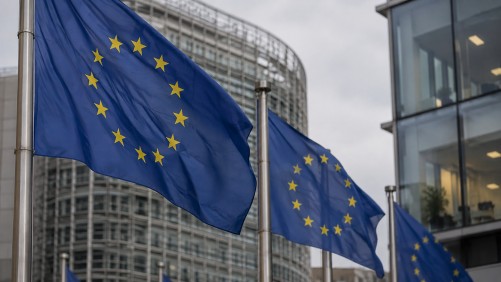
The European Union has made a significant decision regarding its sanctions policy amid ongoing tensions due to Russia’s military actions in Ukraine. As part of a broader renewal of restrictions, the EU has opted to extend sanctions on nearly 3,000 individuals and entities linked to Russia’s involvement in the conflict, while controversially removing two prominent Russian billionaires from their sanctions list.
Alisher Usmanov and Mikhail Fridman, both high-profile figures with substantial business interests, have been taken off the EU sanctions list. This development follows specific requests from France and Luxembourg, respectively, and has sparked criticism from Ukraine, which remains opposed to easing measures against these businessmen.
In an effort to provide more stability and predictability, the EU has extended these sanctions for a period of 36 months, a significant change from the previous six-month renewal cycle. This long-term approach aims to reinforce the EU’s stance on maintaining pressure on Russia, despite the adjustments made to the list of sanctioned individuals.
Despite the removal of Usmanov and Fridman, the EU sanctions list continues to target key figures such as Russian President Vladimir Putin and Foreign Minister Sergey Lavrov. It also includes various senior government officials, banks, and entities within Russia’s energy and defense sectors. Additionally, the EU is preparing further sanctions aimed at those associated with Russia’s military-industrial complex.
These decisions come as EU member states were up against a deadline to renew the sanctions framework, which requires unanimous agreement from all 27 member countries. The ongoing efforts to adapt and enforce these sanctions underscore the EU’s commitment to responding strategically to the evolving geopolitical landscape in Eastern Europe.