
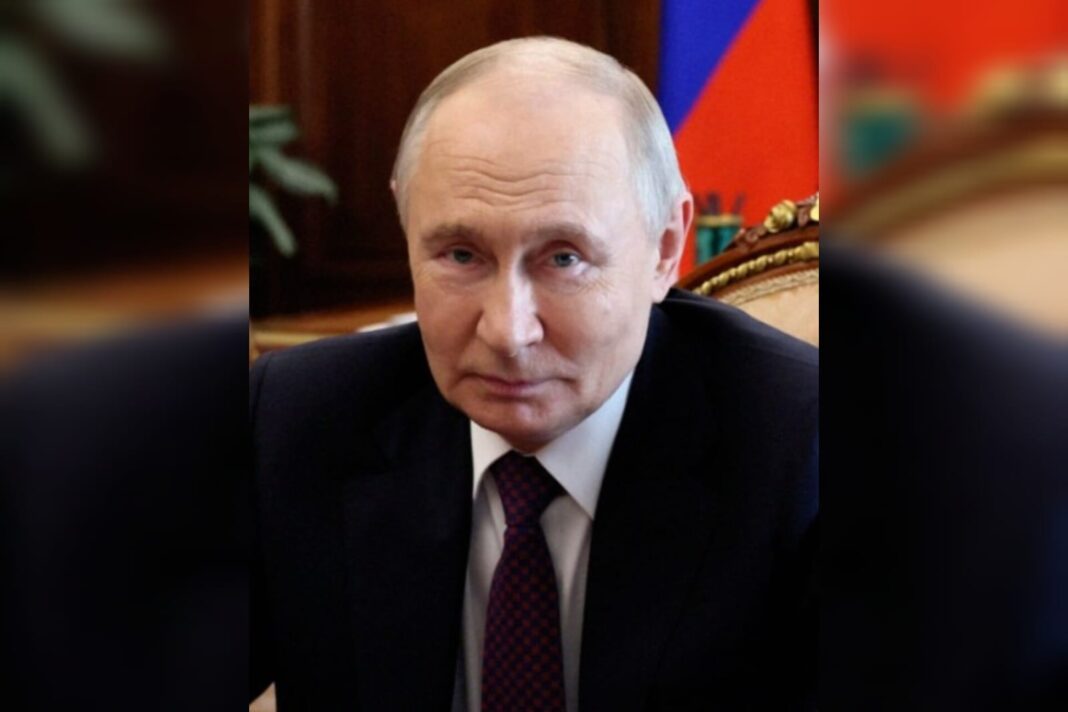
Amidst increasing drone attacks by Ukraine on Russian energy infrastructure, President Vladimir Putin has acknowledged that these strikes are causing noticeable fuel supply issues across the nation. While he admitted to the shortages, Putin assured that the situation has not yet reached a critical point. The targeted attacks have impaired oil refineries and fuel facilities, thereby diminishing Russia’s refining capacity and straining domestic fuel supplies. In response, several regions have implemented fuel restrictions as authorities endeavor to manage the shortages and repair the damaged infrastructure.
In an attempt to mitigate the impact of these strikes, Russia has outlined plans to bolster fuel imports, enhance security measures around refineries, and expedite repair efforts. These strikes underscore Ukraine’s growing capacity to target strategic assets far from the front lines, posing a significant challenge to Russia’s energy sector. The repercussions have been particularly severe in Crimea, where repeated strikes have severely disrupted fuel and transport networks. The resultant long lines at petrol stations in some areas have led to public frustration and sparked criticism on social media platforms.
Ukraine has justified its campaign against Russian energy facilities, stating that the goal is to undermine Moscow’s military operations by disrupting vital fuel supplies necessary for the war effort. Despite the increasing pressure from these attacks, President Putin has reiterated Russia’s commitment to continuing its military objectives in Ukraine. The ongoing conflict and subsequent disruptions highlight the enduring volatility in the region, as both nations continue to grapple with the consequences of an extended confrontation.
The strategic targeting of energy infrastructure by Ukraine marks a significant development in their ability to impact Russia’s logistical capabilities. As a result, Russian authorities are faced with the dual challenge of safeguarding critical infrastructure while maintaining sufficient fuel supplies for both civilian and military needs. This situation presents a complex scenario for Russia as it navigates the dual pressures of domestic energy demands and the ongoing military engagement in Ukraine.